Sweet Treats: Bubble tea, taro ice cream, custards, and cakes
Global Inspirations: Poi in Hawaii, taro chips in the Pacific, and fragrant curries across Asia
With purple-fleshed varieties adding vibrant color and beige roots offering comfort-food vibes, taro effortlessly elevates everything from vegan curries to artisan desserts.
🌍 A Global Icon with Deep Cultural Roots
Across Asia, Africa, and the Pacific Islands, taro is more than food—it’s heritage.
Hawaii: Considered a sacred ancestor, central to spiritual rituals
Asia: A symbol of prosperity, often served during festivals
Africa & Pacific: A staple crop that has sustained communities for generations
When you enjoy taro, you’re connecting with centuries of tradition, joining hands with cultures that have valued this root for its resilience and symbolism.
🥗 Beyond the Root: The Power of Taro Leaves
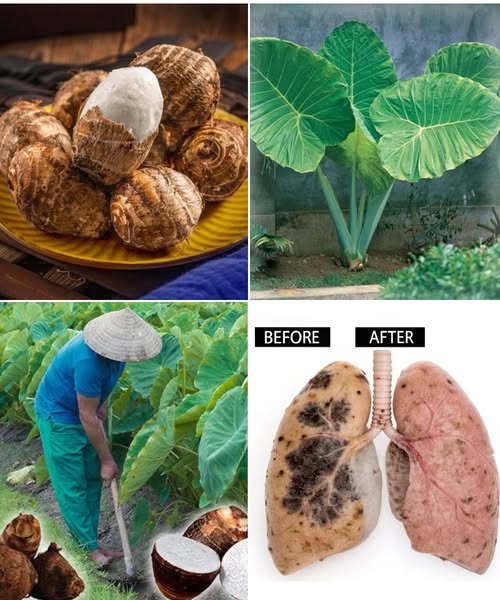
Taro’s heart-shaped leaves are rich in vitamin A, vitamin C, and antioxidants, making them a nutritious, sustainable green.
Popular dishes include:
Callaloo in the Caribbean
Laing in the Philippines
Leaf curries with coconut milk in Southeast Asia
Tip: Always cook taro leaves thoroughly to remove natural compounds that can irritate the throat.
🌴 Growing Taro: Sustainability Meets Beauty
Taro thrives in wetlands and tropical climates, making it an important crop for food security.
Benefits for Growers:
Low maintenance, high yield
Can be grown in backyards or containers
Ornamental appeal with lush, tropical foliage
Choosing taro supports eco-friendly agriculture while adding exotic greenery to your garden.
🍴 How to Start Cooking with Taro
Boil & Mash: A creamy alternative to mashed potatoes
Bake or Fry: Crispy taro chips or golden wedges
Blend into Desserts: Taro smoothies, puddings, and cakes
Pair with Coconut: Classic in many tropical dishes
Pro Tip: Always peel and cook taro to neutralize calcium oxalate.
✨ Why Taro Belongs in Your Kitchen
Taro isn’t just another vegetable—it’s a story of resilience, tradition, and nourishment. With its rich nutrition, global heritage, and culinary flexibility, it’s a food that bridges past and present.
Next time you’re at the market, pick up taro root or fresh taro leaves. Experiment, taste, and let this ancient root inspire your cooking—and your connection to the earth.
